
Running burns more calories per minute than walking.
Okay.
I still walk.
A lot.
When I lost 98 pounds years ago, I wasn’t out pounding the pavement trying to become a runner.
I walked.
And kept walking.
That’s one of the things I think gets lost whenever we talk about the “best” exercise for fat loss.
The Best Exercise Has to Survive Your Life
Running is great if you enjoy running.
Some people love it.
They put on their shoes, head out the door and come back looking strangely happy about what just happened.
Good for them. 😂
I’ve never believed everybody needs to become one of them.
Walking is different.
You can walk for ten minutes.
You can walk for an hour.
You can walk after dinner.
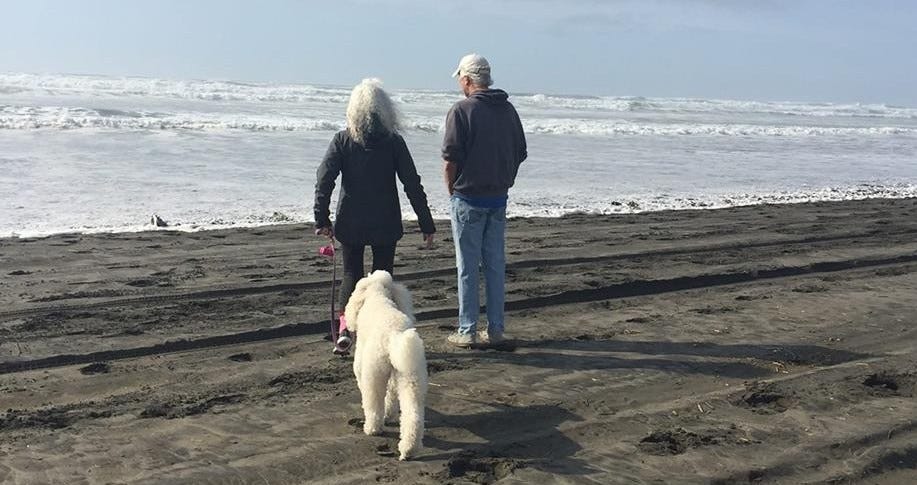
You can walk with your spouse, your dog, your grandkids or by yourself.
You can walk when you’re traveling.
You can walk when you’re 50, 70 or 90, assuming your body allows it.
And tomorrow?
You can probably do it again.
That’s the part that matters.
Fat Loss Doesn’t Come From One Heroic Hour
When I changed my health at 55, there wasn’t one workout that did it.
It was the accumulation.
Better food.
More movement.
Walking.
Strength.
Stretching.
Doing those things often enough and long enough that my body began to change.
Walking fit into my life, so I kept doing it.
That’s considerably more useful than an exercise that looks terrific on paper but you hate doing.
So Should You Stop Running?
Of course not.
If you love running, run.
If you like hiking, hike.
Ride your bike. Swim. Dance. Lift weights. Chase your grandkids around the yard.
But don’t dismiss walking because it doesn’t feel hard enough to “count.”
It counts.
And if walking is something you’ll happily do today, tomorrow and ten years from now, it may be one of the best exercises you’ve got.
Put on your shoes and go somewhere.
No stopwatch required.