
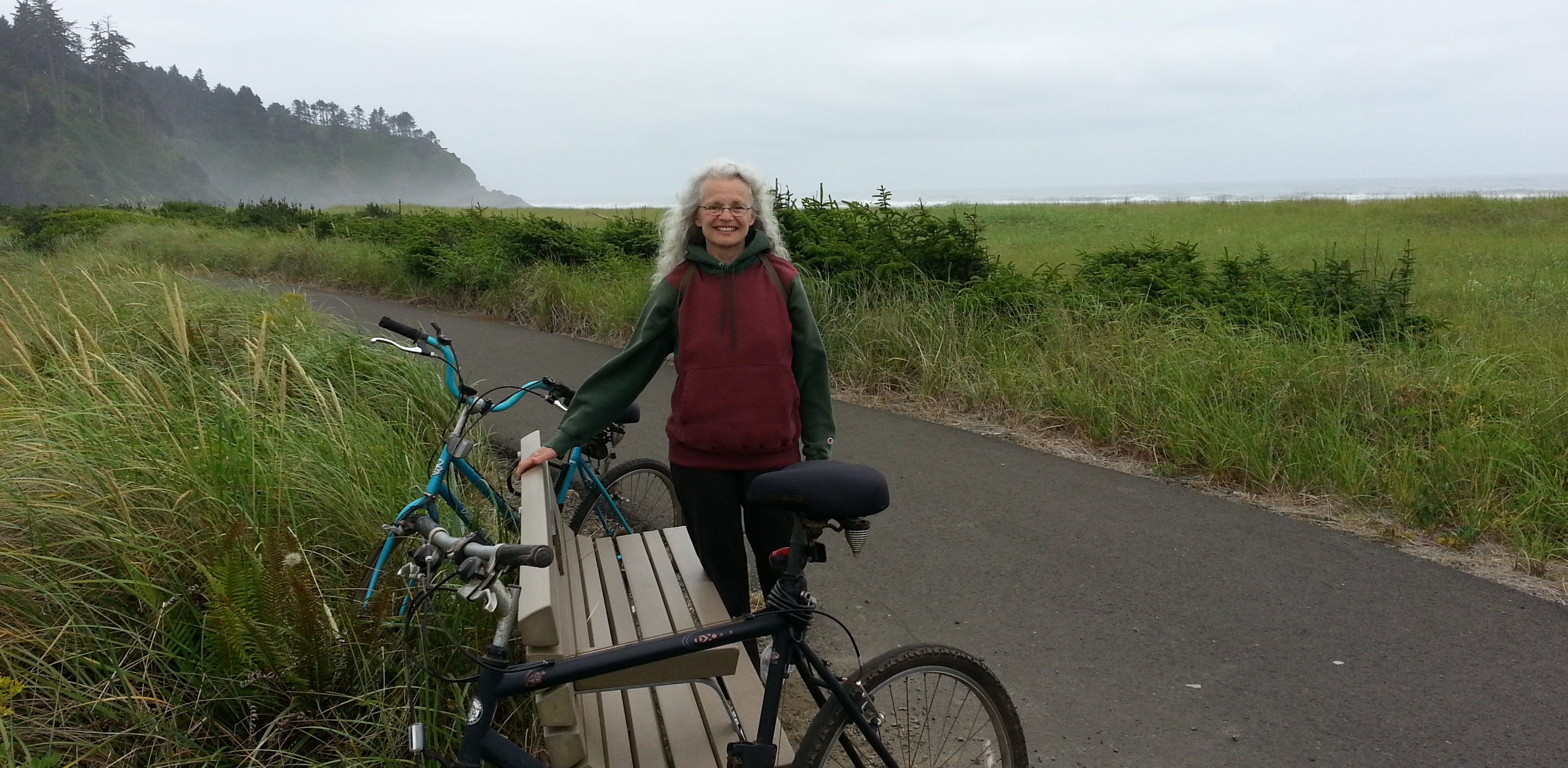
Peggy didn’t start preparing for cancer when she was diagnosed in December 2025.
She’d been preparing for seventeen years.
Not because she knew cancer was coming. Not because she was following some elaborate disease-prevention program. She was simply living the way we’ve spent years learning to live.
Moving every day. Teaching classes. Eating real food. Getting her sleep. Taking care of herself.
Ordinary things. Nothing particularly dramatic.
Then, in December, we learned she had Non-Hodgkin’s lymphoma. A large tumor had developed in her nose and sinuses.
Suddenly, those seventeen years didn’t seem quite so ordinary anymore.
When everything changed
Peggy underwent six chemotherapy treatments.
The tumor was gone after the first treatment. After the third, she was declared cancer-free.
And through all six treatments, she kept teaching.
Think about that for a moment.
Here was a woman undergoing chemotherapy, dealing with everything that comes with a cancer diagnosis, and she was still showing up for her students.
Her oncologist was surprised at how well she handled treatment.
I wasn’t.
Now, I didn’t know how her cancer would respond to chemotherapy. Nobody could promise us that. And I’m not claiming her lifestyle made the chemotherapy eliminate the tumor.
But do I believe those seventeen years of taking care of herself made an enormous difference in how Peggy handled what happened?
Absolutely.
I’ve watched her build that strength. I’ve watched her work on her mobility, her balance, her breathing, and her ability to move comfortably. I’ve watched her experiment with food, pay attention to sleep, and make adjustments when something wasn’t working.
And I’ve watched her do those things year after year, long before there was any reason to think she’d need that resilience for something like cancer treatment.
You don’t suddenly develop seventeen years of strength when somebody hands you a diagnosis.
You bring what you’ve already built.
The work nobody notices
There’s something funny about the way we measure health.
We notice the dramatic stuff. Somebody loses fifty pounds. Somebody runs a marathon. Somebody has surgery and makes a remarkable recovery.
Those are the stories people talk about.
But what about the thousands of ordinary days that came before?
The mornings Peggy got up and practiced Qigong. The classes she taught. The meals we made at home. The evenings when we decided we’d had enough for the day and went to bed.
Nobody was keeping score.
There wasn’t an audience applauding every time she made a good decision.
Most of the time, we weren’t even thinking about health. We were simply living our lives.
And that’s what interests me.
We spend so much time talking about what to do when something goes wrong. What medication to take. What procedure to have. Which specialist to see.
Those things can be incredibly important. We certainly appreciated having excellent medical care available when Peggy needed it.
But what about all the years before something goes wrong?
What are we doing with those?
I’ve seen this for years
Peggy and I have spent decades working with people who want to feel better, move better, and keep doing the things they enjoy.
Sometimes the changes are dramatic. Other times they’re so gradual that people barely notice them happening.
Someone starts moving a little more comfortably. They get stronger. Their balance improves. They discover they can do something they couldn’t do six months earlier.
And then they keep going.
Not because they’re training for a crisis.
Because life is better when your body works.
I think that matters more than we sometimes realize.
When I changed the way I lived back in 2007, I wasn’t thinking about preparing for some future emergency. I was trying to get out of pain, reverse my diabetes, lose weight, and avoid seven surgeries.
I wanted my life back.
Nineteen years later, I’m still benefiting from those decisions.
And watching Peggy go through cancer treatment reminded me just how much those years of ordinary work can mean.
And she kept teaching
That’s the part of Peggy’s story I keep coming back to.
She had cancer. She went through chemotherapy. Her doctors did their work, and the treatment worked remarkably well.
And Peggy kept doing what she loves.
I believe the woman who walked into that treatment room was stronger and better prepared because of the life she’d been living for seventeen years.
Nobody can tell me exactly how much difference that made.
But after all these years of living with her, teaching alongside her, and watching what happens when people consistently take care of themselves, I have a pretty strong opinion.
The things we do when nothing is wrong matter.
Maybe more than we realize.
And she kept teaching.
Dave, first, I'm so happy to hear Peggy is cancer-free! ❤️
Having spent years watching my own husband battle serious illness, and in the middle of treatment as we speak, this really hits home.
There's something about watching someone you love go through something like this that changes the way you understand health, strength, and even the ordinary moments we tend to take for granted.
What struck me most is that Peggy wasn't spending those 17 years preparing for cancer. She was building a life she loved, and when everything changed, she had that foundation beneath her.
We can't always control what happens to our bodies, no matter how well we care for them. But that doesn't mean the years we spend caring for ourselves are ever wasted.
And the fact that she continued doing what she loves through treatment says so much about her.
Wishing you both many more beautiful, healthy years together! ♥️